
Ever wonder what is actually inside high-end storage units?

Updated: Feb 19
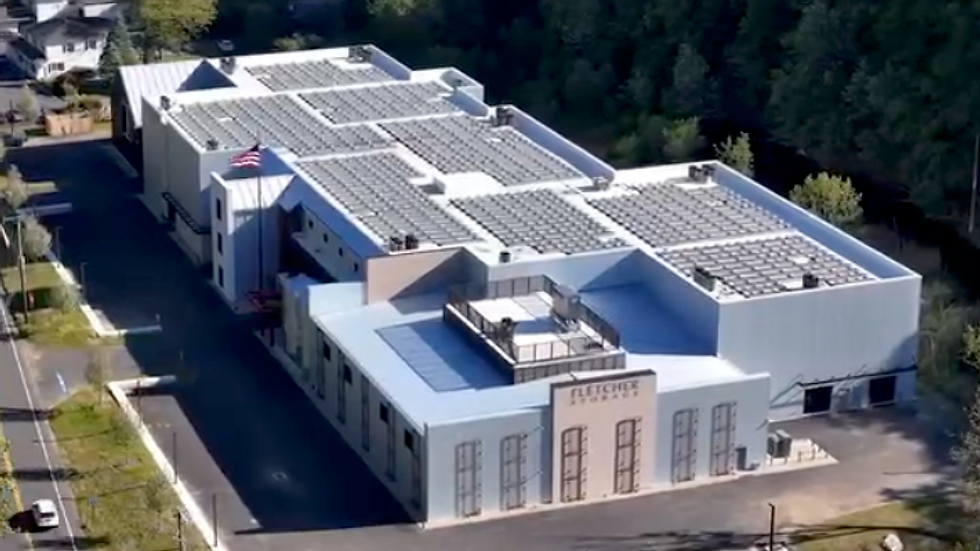
Drive past one of those sleek, new storage buildings (like Fletcher on Rt 7), and you might wonder—what are people really keeping in there? The answer isn’t clutter. It’s life in motion.
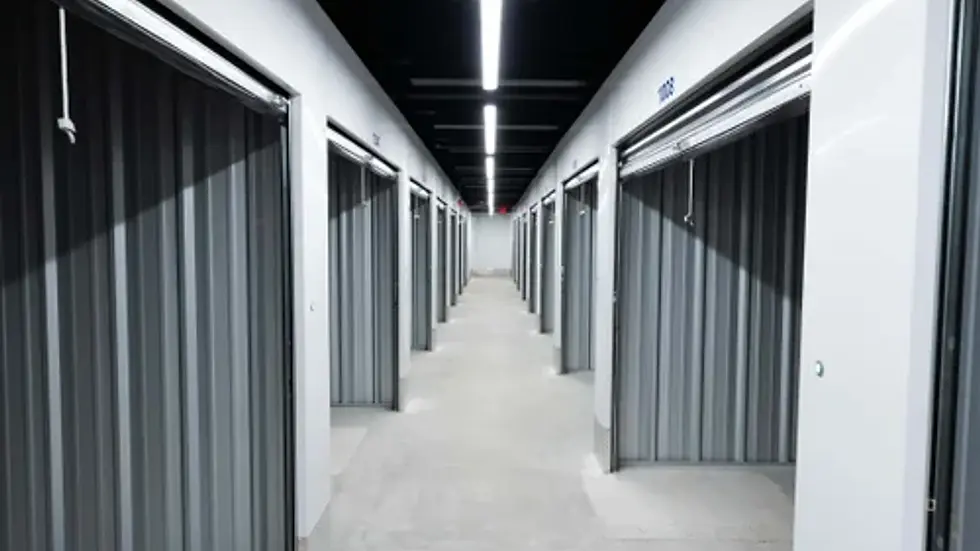
What’s Behind Those Doors?
Here’s what’s most commonly found in storage units across the Northeast:
Renovation and “In-Between” Living
Whole households often pack up during kitchen remodels, additions, or full-home renovations. Furniture is staged out so homes feel clean and minimal. Temporary downsizing is common, as families move from a 4,000-sq-ft home to a rental and back again. These units often look like a full house packed into Tetris form.
Seasonal Lifestyle Gear
Northeast living is gear-heavy. Think about skis, snowboards, and snow tires. Golf clubs, paddleboards, and kayaks also take up space. Don't forget patio furniture, heaters, and umbrellas. Holiday décor often fills multiple bins per season. This isn’t hoarding—it’s simply rotating lifestyles.
Inherited and “Someday” Family Items
Furniture that’s “too nice to get rid of” often finds its way into storage. Items like china, antiques, and artwork from parents who’ve downsized or passed on are common. Kids’ childhood items are often kept, as no one is ready to part with them just yet. Storage becomes emotional limbo.
Kids’ Past and Future (Especially Ages 45–65)
College furniture, sports trophies, and musical instruments often end up in storage. Baby items are saved “for the grandkids.” Boxes are clearly marked “don’t touch yet.” These units are like time capsules, holding memories and hopes for the future.
Business Overflow (Quietly Huge)
Many unit renters are business owners or consultants. They store trade-show booths, promotional materials, inventory, tools, samples, and signage. It’s often cheaper—and easier—than renting commercial warehouse space.
Divorce, Downsizing, or Major Life Transitions
One spouse keeps the house while the other stores half a life. Downsizing before retirement can be tough, especially when not ready to let go. Adult kids moving back home temporarily often need space for their belongings. Storage becomes a buffer zone during these identity shifts.
Luxury and Specialty Items
Wine collections, climate-controlled art, musical instruments, and designer furniture not currently in rotation are often stored. For many, storage is about asset protection—not clutter.
The Value of Storage
Storage buys time, optionality, and emotional breathing room. What these storage units really reveal is how dynamic our towns have become. People aren’t standing still—they’re renovating, regrouping, growing, downsizing, and redefining what home means. The strongest local businesses are the ones that understand this rhythm and remain present as lives and neighborhoods evolve.
Conclusion
In conclusion, storage units serve a vital role in our ever-changing lives. They are not merely places to stash away items; they are reflections of our journeys. Whether it’s for renovation, seasonal gear, or emotional keepsakes, storage helps us navigate the complexities of modern living.
Understanding the importance of these spaces can help businesses cater to the needs of their customers more effectively. By recognizing the diverse reasons people use storage, we can foster a deeper connection with our community and adapt to the evolving landscape of our lives.
Explore the possibilities of storage today!


Comments